
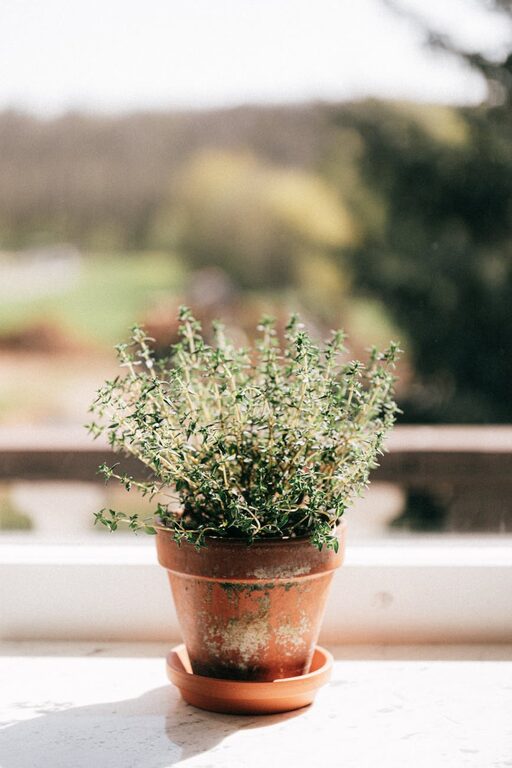
Starting an indoor herb garden is a rewarding way to bring fresh flavors into your kitchen and add a touch of greenery to your living space. Whether you have a large sunny window or a cozy corner, growing herbs indoors is simple and satisfying. In this guide, we’ll walk you through everything you need to know to start your own small indoor herb garden.
Why Grow Herbs Indoors?
Growing herbs indoors offers many benefits:
– Freshness: Pick herbs whenever you need them for cooking.
– Convenience: No need to buy from the store or worry about drying.
– Aesthetics: Herbs add natural beauty and fragrance to your home.
– Learning: It’s a fun way to experience gardening year-round.
Choosing the Right Herbs
Not all herbs thrive indoors, so start with beginner-friendly varieties that do well inside:
– Basil: Great in Italian dishes and relatively easy to grow with plenty of light.
– Parsley: Adds bright flavor and tolerates moderate light levels.
– Mint: Hardy and fast-growing but keep it contained as it can spread.
– Thyme: Needs less water and enjoys a sunny spot.
– Chives: Perfect for garnishes and adapt well to containers.
– Cilantro: Prefers cooler temperatures and moderate light.
Selecting two to five different herbs will keep your garden manageable and enjoyable.
Selecting Containers
Choose containers suited to your indoor environment:
– Size: A pot 4 to 6 inches wide is ideal for most herbs.
– Material: Terracotta pots allow better airflow but retain less moisture; plastic pots hold moisture longer.
– Drainage: Make sure containers have drainage holes to avoid waterlogging roots.
– Tray: Use a saucer or tray under the pot to catch excess water and protect surfaces.
If you’re short on space, a vertical planter or a window-mounted herb garden can work well.
Preparing Soil and Planting
Herbs prefer well-drained, nutrient-rich soil. Here’s what to do:
- Use a high-quality potting mix rather than garden soil, which can be too dense.
- Fill your pots loosely to avoid compacting the soil.
- If planting seeds, lightly cover them with soil according to the packet instructions.
- For starter seedlings, gently remove them from their nursery pots and plant at the same depth.
- Water the soil immediately after planting to settle the roots.
Finding the Right Light
Most herbs need 6–8 hours of bright light daily to grow well indoors.
– Windowsill: South or west-facing windows provide the best natural light.
– Supplemental lighting: Use full-spectrum grow lights if natural light is limited, keeping them on for 12–16 hours a day.
– Rotate pots regularly to ensure even light exposure.
Watering Your Herb Garden
Proper watering is key:
– Check soil moisture by sticking a finger about an inch deep; water when it feels dry.
– Avoid overwatering, as soggy soil can lead to root rot.
– Water gently until it drains from the bottom of the pot.
– Herbs like thyme and rosemary prefer slightly drier soil; mint and basil enjoy more moisture.
Feeding Your Herbs
Feed your herbs for healthy growth:
– Use a balanced, water-soluble fertilizer diluted to half strength every four to six weeks.
– Avoid over-fertilizing, which can cause lush foliage but weak flavor.
– Organic options include compost tea or diluted fish emulsion.
Pruning and Harvesting
Regular pruning encourages bushy growth and fresh leaves:
– Pinch off the tips of stems to promote branching.
– Harvest leaves in the morning when oils are most concentrated.
– Don’t remove more than one-third of the plant at a time to keep it healthy.
– Cut herbs just above a leaf node to stimulate new growth.
Troubleshooting Common Issues
If you notice problems, try these tips:
– Yellowing leaves: Could mean overwatering or poor drainage.
– Leggy plants: Usually a sign of insufficient light.
– Pests: Look for tiny insects like aphids; wipe leaves with mild soap water.
– Wilting: Check soil moisture and adjust watering accordingly.
Additional Tips for Success
– Start small and expand your garden as you gain confidence.
– Group herbs with similar needs together.
– Keep humidity up by misting or placing a small tray with water nearby.
– Clean pots and tools regularly to prevent disease.
Conclusion
Starting an indoor herb garden is an enjoyable way to enhance your home and cooking. With the right herbs, containers, light, and care, you’ll soon have fresh, fragrant herbs at your fingertips. Give it a try—you might be surprised how easy and rewarding it is!
Happy gardening!