
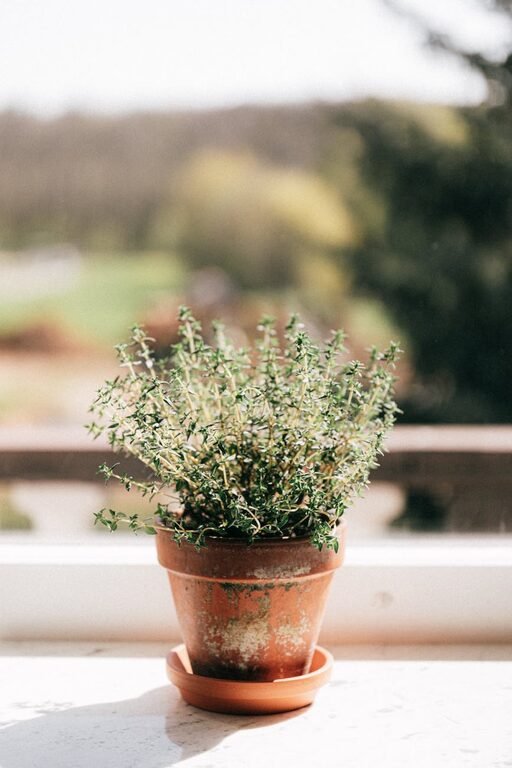
Growing your own herbs indoors is a rewarding and practical way to bring fresh flavors into your kitchen while adding a touch of greenery to your home. Whether you have limited outdoor space or want easy access to herbs year-round, a small indoor herb garden is a great solution. In this guide, we’ll walk you through everything you need to know to start your own herb garden indoors.
Why Grow Herbs Indoors?
Indoor herb gardening offers several benefits:
– Fresh herbs at your fingertips: No more buying dried herbs or worrying about fresh ones spoiling.
– Year-round growth: Indoor environments can be controlled, allowing you to grow herbs even in winter.
– Space-saving: Perfect for apartments or homes without gardens or balconies.
– Aesthetic appeal: Herb pots brighten up your kitchen or living space.
– Educational and therapeutic: Gardening indoors can be a fun hobby and reduce stress.
Choosing the Right Herbs for Indoor Growing
Not all herbs thrive indoors equally well. Here are some popular herbs that do well inside:
– Basil: Loves light and warmth, perfect for windowsills.
– Parsley: Tolerates medium light and is versatile in cooking.
– Mint: Grows quickly, but keep it in a separate pot as it spreads.
– Chives: Easy to grow with minimal fuss.
– Thyme: Prefers sunny spots and well-drained soil.
– Oregano: Needs plenty of light and moderate watering.
– Cilantro: Prefers cooler environments, may bolt indoors quickly but worth a try.
What You Need to Start Your Indoor Herb Garden
Containers
Herbs need pots with good drainage to keep roots healthy. You can use:
– Terra cotta pots
– Plastic pots with drainage holes
– Recycled containers (just add holes for drainage)
Using pots with about 4 to 6 inches depth usually works well.
Soil
Use a light, well-draining potting mix specifically designed for container plants. Avoid heavy garden soil which may retain too much water indoors.
Light
Most herbs require 6–8 hours of sunlight daily. A south-facing window is ideal. If natural light is limited:
– Consider a grow light with full spectrum bulbs.
– Place plants near a bright window with indirect light.
Watering Tools
A small watering can or spray bottle helps water your herbs gently.
Step-by-Step Guide to Starting Your Herb Garden
1. Prepare Your Containers
Make sure pots have drainage holes. Add a layer of small stones or broken pottery at the bottom to improve drainage.
2. Fill with Potting Mix
Fill each pot with the potting mix, leaving about an inch from the rim to avoid spillover when watering.
3. Plant Your Herbs
You can start from seeds or buy young plants:
– Seeds: Follow specific planting depth instructions on seed packets.
– Young plants: Remove gently from nursery pots and plant at the same soil level.
4. Water Lightly
After planting, water the soil gently until it’s moist but not soggy. Avoid overwatering as it can cause root rot.
5. Place in a Bright Location
Put your pots near a sunny window or under grow lights. Rotate pots occasionally for even growth.
6. Maintain Your Garden
– Watering: Check soil moisture daily; water when the top inch feels dry.
– Fertilizing: Feed herbs with a balanced liquid fertilizer every 4–6 weeks during growing season.
– Pruning: Regularly pinch off leaves to encourage bushy growth and prevent flowering.
– Pest control: Watch for indoor pests like spider mites or aphids and treat with mild soap sprays if needed.
Tips for Success
Use Separate Pots
Avoid planting different herbs in the same pot unless their growing needs are very similar.
Start Small
Try starting with just 3-4 herbs to get comfortable before expanding your collection.
Harvest Properly
Harvest herbs in the morning when essential oils are strongest. Use scissors or pinch leaves to avoid damaging the plant.
Monitor Humidity
Indoor air can be dry, especially in winter. Place a shallow tray of water nearby or mist herbs occasionally to increase humidity.
Common Challenges and Solutions
– Leggy plants: Usually caused by insufficient light. Move pots to a sunnier spot or add grow lights.
– Yellow leaves: Often due to overwatering or poor drainage. Let soil dry out between watering.
– Slow growth: Check fertilizer use, light levels, and repot if the plant is root-bound.
– Pests: Keep leaves clean and remove pests with a gentle spray of water or insecticidal soap.
Conclusion
Starting a small indoor herb garden is both enjoyable and practical. With just a few pots, some soil, and the right location, you can have fresh herbs growing year-round. Whether you’re a seasoned gardener or a total beginner, following these steps will help you create a thriving herb garden right in your home. Happy planting!